

Key Takeaways
Advertised Price vs. Final Price
An advertised price is what a seller displays to attract buyers - on a shelf label, a website listing, or a promotional flyer. The final price is what you actually pay at checkout, after taxes, fees, discounts, and any corrections are applied. These two numbers are not always the same, and understanding the gap between them is a core consumer skill.
Under U.S. contract law, a displayed price is generally considered an 'invitation to treat,' not a binding offer - meaning retailers are not automatically obligated to honor every posted price, though state-level scanner laws and FTC guidelines create important exceptions.
When a Price Is - and Isn't - a Promise
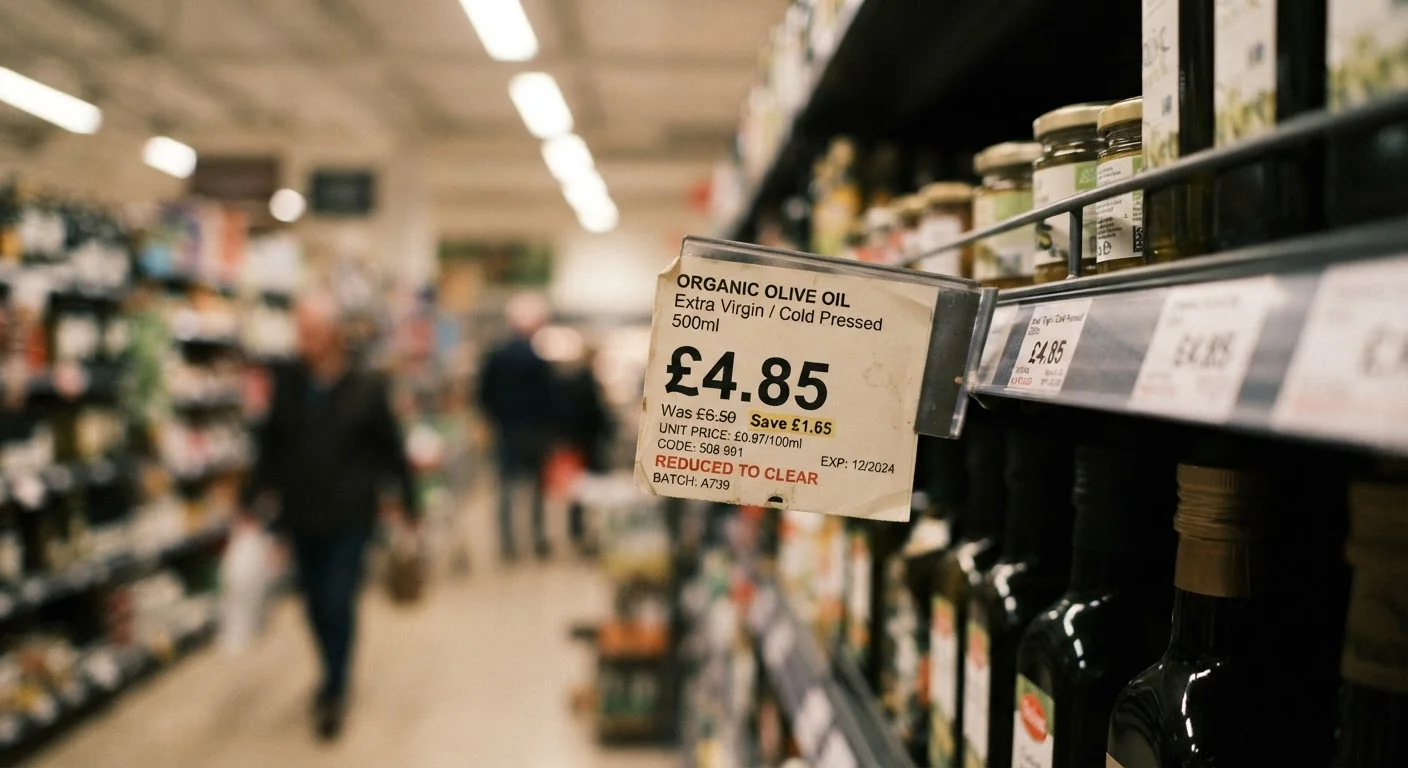
Walking into a store and seeing a price on a shelf feels like a straightforward exchange: you pay that amount, you get the product. But retail pricing is a legal and commercial system with layers that aren't visible at the point of sale. Understanding those layers helps you know when to push back and when to accept a different outcome.
In U.S. contract law, a displayed price is generally treated as an invitation to treat - an expression of willingness to sell, not a firm offer. A binding agreement typically forms only when a seller accepts your payment. That legal nuance matters most when a pricing error occurs: a retailer discovers a typo, a system glitch posts an item at $9 instead of $90, or a sale tag is left up after a promotion ends.
That said, displayed prices are not a free-for-all. The Federal Trade Commission (FTC) requires that advertised prices be honest and not misleading. Many states go further. So-called scanner accuracy laws - active in states like Michigan, California, and Connecticut, among others - require that the lower of the shelf price or the scanned price be charged. Some states even entitle consumers to a small windfall if an overcharge occurs. Check your state attorney general's website for the rules in your area.
Screenshot Before You Buy
If you see an advertised price online or on a shelf label, take a quick screenshot or photo before completing your purchase. This creates a timestamped record that can support your case if the price changes or a dispute arises at checkout. It takes seconds and costs nothing.
Bait-and-Switch and Other Deceptive Pricing Patterns
A low advertised price that disappears once you're in the door is one of the oldest retail maneuvers in existence. The FTC defines bait-and-switch as advertising a product at a price a seller does not genuinely intend to honor - typically because stock is artificially limited or the product is unavailable - followed by pressure to upgrade to something pricier.
Bait-and-switch is prohibited under federal law, but the line between illegal deception and legitimate stock management can be blurry in practice. If a deal sells out quickly but was genuinely available, that's generally not a violation. If the advertised item was never stocked in meaningful quantity, that's a different matter.
Related tactics worth knowing about include:
- Anchor pricing: Inflating a 'was' price to make a current price appear like a bigger discount than it is. Learn how manufactured sale prices work before assuming a markdown is real.
- Drip pricing: Revealing mandatory fees only deep in the checkout process, after the buyer is already committed emotionally.
- Partitioned pricing: Advertising a base price and adding fees separately, making comparison shopping harder.
These patterns appear across industries - retail, travel, ticketing, and insurance alike. Comparing quotes in insurance involves exactly this kind of scrutiny: the headline number rarely tells the whole story.
Hidden Fees: The Gap Between the Sticker and the Statement
Hidden fees are charges that are technically disclosed somewhere in the fine print but are not prominently included in the advertised price. They're legal - usually - but they create a meaningful gap between what you think you're paying and what you actually pay.
Common contexts where hidden fees appear:
- Hotels: Resort fees, destination fees, and parking charges often aren't in the nightly rate shown on booking sites.
- Concerts and events: Service fees, facility charges, and order processing fees can add 20-30% to a base ticket price.
- Rental cars: Insurance upsells, fuel service charges, and airport concession fees.
- Subscriptions and financing: Processing fees, late fees, and payment convenience fees. Buy Now, Pay Later plans frequently carry fees that don't show up in the initial installment amount.
The practical defense is simple: before committing, ask what the total cost is, and compare that figure - not the headline price - across options. In-store and online prices for the same item can differ, and so can the fee structures attached to each channel.
Staying aware of these dynamics connects directly to building sound spending habits. Practical everyday money habits start with knowing what you're actually spending, not just what the tag says.
~35%
Shoppers who report unexpected checkout fees
A 2023 Consumer Reports survey found roughly one in three respondents encountered fees at checkout that were not clearly disclosed in the advertised price.
30+
U.S. states with scanner accuracy laws
According to the National Conference of State Legislatures, more than 30 states have enacted laws governing price scanning accuracy and consumer remedies for overcharges.
$3B+
Annual junk fee cost to consumers (estimated)
The Consumer Financial Protection Bureau (CFPB) has cited estimates suggesting hidden and junk fees cost American consumers billions of dollars annually across financial products and services.
What to Do When the Price at Checkout Doesn't Match
Price discrepancies happen - through honest error, system failures, or outdated signage. When they do, knowing your options matters more than assuming you have no recourse.
Steps to take in the moment:
- Point out the discrepancy calmly and ask a manager to review the shelf label or advertisement.
- Have documentation ready: a photo of the label, a screenshot of the website listing, or the printed flyer.
- Ask what the store's stated policy is on price differences - many have written policies.
If the retailer refuses and you believe the error violates a scanner law or deceptive advertising standard, your next options include filing a complaint with your state's consumer protection office or attorney general, or disputing a charge through your credit card issuer if the purchase is already complete.
Not every dispute will resolve in your favor, and many consumer protections come with conditions that shoppers don't discover until they need them. Being informed before a conflict arises puts you in the stronger position.
This article is for general informational and educational purposes only and does not constitute legal or financial advice. Consumer protection laws vary by state; consult a qualified professional or your state's consumer protection office for guidance specific to your situation.