

Key Takeaways
Annual Wellness Exam
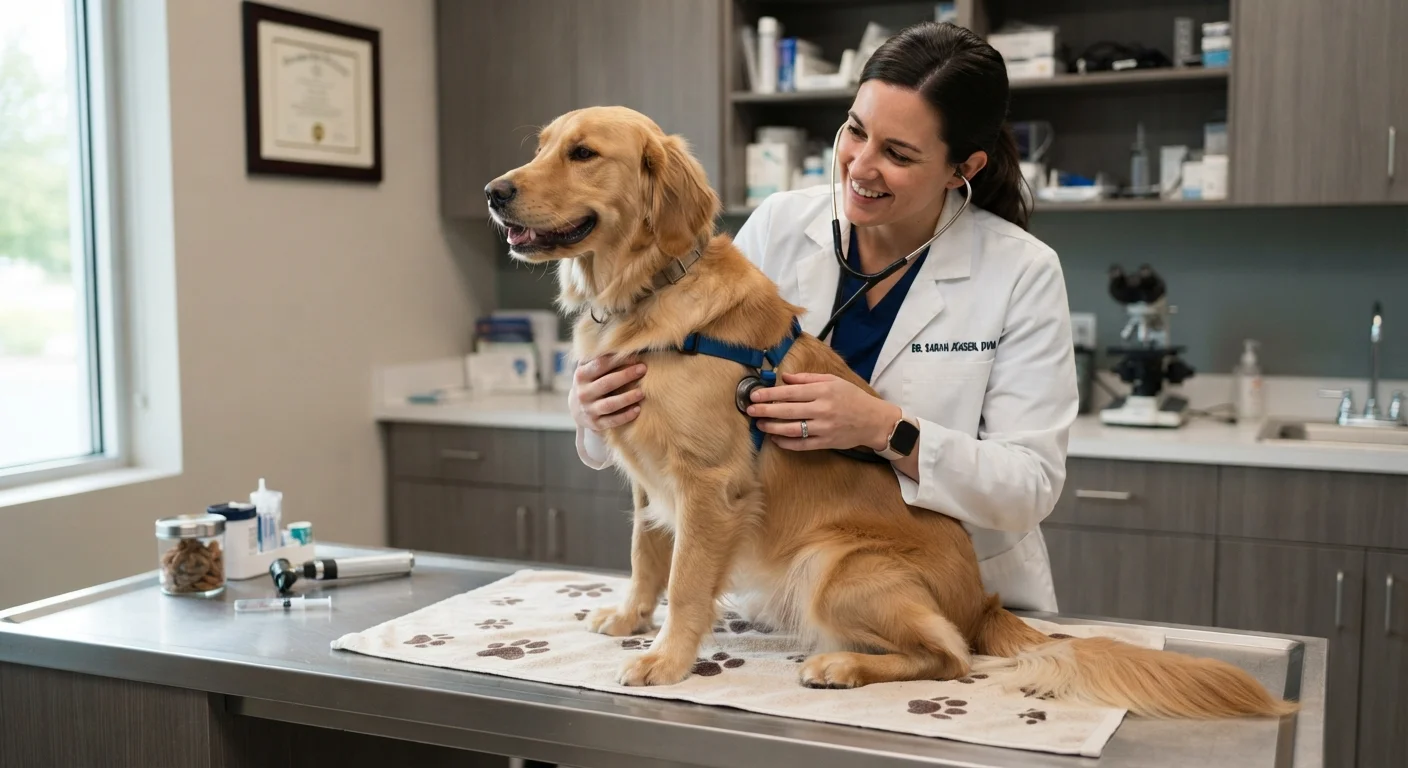
An annual wellness exam is a scheduled, routine veterinary visit designed to assess your pet's overall health when no obvious illness is present. The vet evaluates everything from weight and coat condition to heart rhythm and dental health, using the exam to catch problems early and keep vaccinations and parasite prevention current. Think of it as a full-body check-in that sets a health baseline for your pet each year.
Veterinarians refer to these as 'preventive care' or 'wellness visits' to distinguish them from 'sick visits,' which are reactive appointments triggered by a specific symptom or injury.
What Happens During the Exam — Step by Step
A routine annual visit follows a predictable structure, though the details vary by pet species, age, and health history. Here's what most appointments include:
- Weight and body condition scoring: Your vet records weight and assesses body fat distribution using a standardized scale. Unexpected weight gain or loss is often the first sign of an underlying issue.
- Head and face: Eyes are checked for cloudiness, discharge, or pressure changes. Ears are examined for infection, mites, or polyps. The vet also palpates lymph nodes in the neck to check for swelling.
- Dental assessment: Tartar buildup, gum inflammation, and loose teeth are flagged. Dental disease affects the majority of pets over age three and can contribute to systemic health problems if untreated.
- Heart and lungs: A stethoscope is used to listen for murmurs, arrhythmias, or abnormal breath sounds.
- Abdomen: The vet manually palpates the belly to feel organ size and shape, checking for masses, pain responses, or unusual firmness.
- Skin and coat: Parasites, hair loss patterns, lumps, and skin condition are all noted.
- Musculoskeletal: Joints are manipulated to assess range of motion, especially in older or large-breed animals.
After the physical, your vet will discuss vaccination status, parasite prevention, and whether any diagnostic tests — such as bloodwork, urinalysis, or a fecal parasite screen — are appropriate. See our guide to core vs. non-core vaccines for more on how immunization decisions are made.
Why Baselines Matter More Than Most Owners Realize
One of the most underappreciated functions of a yearly exam is baseline data collection. When your vet records your pet's weight, heart rate, kidney values, and other markers at each visit, they build a personalized reference point — not a comparison against population averages, but a comparison against your specific animal.
This matters because individual variation is wide. A lab value that falls within the normal range for most dogs might represent a meaningful change for yours. Without prior records, your vet has no way to detect a gradual decline that hasn't yet crossed a clinical threshold.
“Preventive care is about giving us the information we need to act early — not just confirming that a pet is well today. The yearly visit is how we stay ahead of problems instead of reacting to them.”
— Dr. Karen Overall, Board-certified veterinary behaviorist and applied animal behavior researcher
For a practical system to keep all of this data accessible over your pet's lifetime, our guide to organizing vet records walks through what to save and how.
The Real Cost of Skipping Annual Visits
Annual visits have an upfront cost, which sometimes leads owners to skip them when a pet appears healthy. But the financial and health calculus generally runs the other way.
80%
Dogs with dental disease by age 3
The American Veterinary Medical Association estimates that most dogs show signs of periodontal disease by age three — a condition routinely caught during wellness exams.
2x
Recommended exam frequency for senior pets
Most veterinary guidelines recommend twice-yearly exams for pets in their senior years, reflecting how quickly age-related conditions can progress.
70%
Cats with dental disease by age 3
Veterinary dental health data consistently shows that the majority of cats develop some form of dental disease early in life, making annual oral assessments especially important.
Conditions caught in early stages — kidney disease, diabetes, hyperthyroidism in cats, hypothyroidism in dogs — are typically managed more effectively and at lower cost than the same conditions diagnosed after symptoms become severe. Dental disease is a straightforward example: a professional cleaning done proactively is substantially less complicated and costly than extractions and treatment for advanced infection.
There's also the question of what vets can rule out during a routine visit. Palpating a mass during a wellness exam gives the option of early biopsy and monitoring. Discovering it after it has grown significantly changes those options. For a broader look at how preventive habits connect to long-term care, the Preventive Care Calendar offers a month-by-month framework you can follow year-round.
Annual exams are distinct from emergency visits. If your pet develops sudden or severe symptoms between scheduled appointments, that warrants a different kind of response — our symptom-by-symptom emergency reference helps you identify when immediate care is necessary.
How Visit Frequency Should Change as Your Pet Ages
The once-a-year schedule works well for healthy adult pets in the middle years of their lives. But it's not a fixed rule across every life stage.
Puppies and kittens need a series of visits in their first year to complete initial vaccine series and monitor development. Adult pets in good health typically do well with annual exams. As pets move into their senior years — generally around age 7 for dogs and 10 for cats, though this varies by breed and size — most veterinarians recommend shifting to every six months.
The reasoning is straightforward: pets age faster than humans, and six months represents a meaningful portion of a senior pet's life. Conditions like arthritis, cognitive decline, thyroid changes, and organ function shifts can develop or worsen quickly. Our article on senior pet health needs covers exactly how care should evolve with age.
If you're ever unsure what terminology your vet is using during these conversations, this plain-language glossary of vet terms can help you follow along and advocate more effectively for your pet.
This article is for general informational purposes only and does not constitute veterinary advice. Always consult a licensed veterinarian for guidance specific to your pet's health needs.