

Key Takeaways
Start here
What a Smartwatch Actually Does
Next
Health and Fitness Features Worth Knowing
Then
Connectivity and Convenience Features
Finally
Nice-to-Have vs. Need-to-Have: Making the Call
What a Smartwatch Actually Does
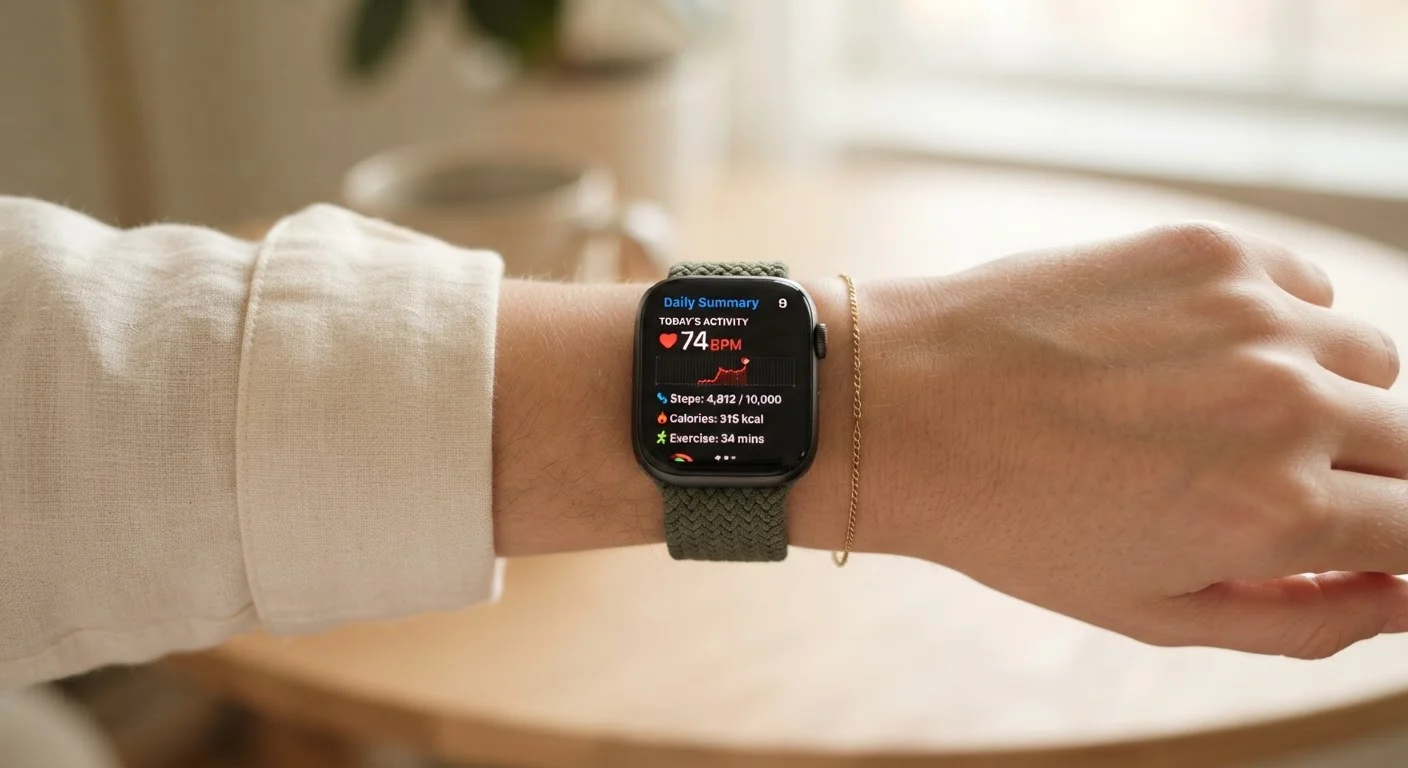
A smartwatch is a wrist-worn device that connects to your smartphone — and sometimes to the internet directly — to deliver information and tools without requiring you to pull out your phone. Think of it as a highly capable extension of a device you already carry, shrunk down to something you wear.
At its core, a smartwatch does three broad things: it relays information (notifications, weather, calendar events), it tracks activity and health signals (steps, heart rate, sleep), and it enables small transactions and interactions (payments, voice commands, music controls). How well it does each depends heavily on the model and how you use it.
One practical consideration before anything else: your phone's operating system matters. Many smartwatches are optimized for either Android or Apple's iOS, and some features simply won't work if your devices aren't from compatible ecosystems. If you're evaluating a device, the questions worth asking before buying any smart device apply here too — compatibility and long-term software support are easy to overlook.
Optical heart rate sensor
A small light-based sensor on the back of a smartwatch that measures blood flow through your skin to estimate your heart rate.
Tokenization
A security method used in contactless payments where your real card number is replaced with a unique code, so merchants never see your actual account details.
ECG (electrocardiogram)
A reading of the electrical activity of your heart. Some smartwatches offer a simplified version that can flag certain irregular rhythms — though it is not a clinical diagnostic tool.
GPS (Global Positioning System)
A satellite-based system that tracks your location and movement. Smartwatches with built-in GPS can map your outdoor routes without needing your phone nearby.
Always-on display
A screen mode where the watch face remains visible at low brightness even when you're not actively looking at it, which uses more battery power.
Sleep stages
Phases your body cycles through during sleep — including light, deep, and REM sleep — that smartwatches estimate using movement and heart rate data.
Health and Fitness Features Worth Knowing
Health tracking is where most people find the most daily value in a smartwatch. Here's what the common features actually measure — and what they don't.
Heart Rate Monitoring
Optical sensors on the back of the watch use light to detect blood flow and estimate your heart rate. This is useful for understanding your resting heart rate trends and how hard you're working during exercise. It is not a substitute for a medical-grade electrocardiogram or professional cardiac assessment. Some models also offer an ECG (electrocardiogram) feature that can detect certain irregular rhythms — useful context for a doctor's visit, not a diagnostic tool.
Sleep Tracking
Wearing your watch to bed lets it estimate sleep duration and, on many models, sleep stages like light, deep, and REM sleep. These estimates are based on movement and heart rate patterns — they can reveal useful patterns over time, but individual nightly readings should be treated as approximate. Sleep data pairs well with broader wellness habits; see how tracking fits into a physical health routine you're already building.
Step Counting and Activity Goals
Step counting remains one of the most motivating features for people new to activity tracking. Most watches also track active minutes, calories burned (estimated), and prompt you to move after long periods of stillness. These nudges are small but can meaningfully support more active daily habits over time. For a balanced view of what these metrics can and can't do, the honest trade-offs of fitness trackers are worth reading.
Connectivity and Convenience Features
Beyond health, smartwatches are designed to reduce friction in everyday moments. Here are the features that tend to matter most in practice.
Notifications and Quick Replies
Receiving text, email, and app alerts on your wrist means fewer interruptions for low-stakes pings. Many watches let you send short replies or reactions without touching your phone. This is especially useful in meetings, workouts, or situations where pulling out your phone isn't convenient.
Contactless Payments
Most modern smartwatches support some form of contactless payment — you tap your wrist to a payment terminal instead of using a card or phone. This requires linking a compatible debit or credit card to a payment service supported by your watch. The transaction uses tokenization, meaning your real card number isn't shared with the merchant. If you're thinking about how digital tools fit into managing everyday spending, the broader picture is covered in our everyday money tips hub.
GPS and Navigation
Built-in GPS tracks your outdoor routes without needing your phone nearby — useful for runners, cyclists, or hikers. Watches without built-in GPS rely on your phone's location signal, which limits standalone use but saves cost and battery.
Voice Assistants
Raising your wrist to ask a quick question, set a timer, or send a voice message is a genuine convenience. Voice assistants on smartwatches function similarly to those on smart speakers, though with a smaller interface. Our explainer on smart speakers covers how these assistants work if you want more context.
Nice-to-Have vs. Need-to-Have: Making the Call
Not every smartwatch feature will fit your daily life, and that's fine. The goal is to identify which features you'd actually use, not to chase the longest spec sheet.
Start With the Features You'll Actually Use
Before evaluating any smartwatch, list two or three specific things you want it to do — like tracking your walks, silencing phone notifications, or paying at checkout. Matching features to real habits is more useful than comparing full spec sheets. A simpler watch you use consistently will serve you better than a feature-packed one you ignore.
Features most people find genuinely useful: notifications, heart rate trends, step counting, and sleep tracking. These work passively in the background and don't require you to change much about your routine.
Features worth having if they match your habits: GPS (if you exercise outdoors), contactless payments (if you prefer not to carry cards), and voice assistants (if you're already comfortable with them on your phone).
Features that may not be worth paying extra for: advanced health sensors like blood oxygen monitoring or skin temperature tracking tend to matter more to users with specific health goals or medical guidance. For general wellness, simpler tracking is usually sufficient.
Battery life is often the feature people underestimate. A watch that needs charging every night may disrupt sleep tracking and feel like a burden rather than a benefit. Consider how a daily charging habit fits your routine before committing.
Finally, think about data privacy. Smartwatches collect a significant amount of personal information — location, health metrics, payment behavior. Review the privacy settings on any device you use, and understand what data is stored and where. The same mindset that applies to evaluating smart home devices is just as relevant here.