

Key Takeaways
What Exfoliation Is Supposed to Do
Exfoliation removes dead skin cells from the surface layer of the skin, revealing the fresher cells underneath. Done correctly, it can improve texture, support an even tone, and help other skincare products absorb more effectively. The problem is that it is also one of the most frequently overdone steps in a skincare routine.
Unlike cleansing or moisturizing, exfoliation involves a degree of deliberate disruption to the skin's surface. That makes it powerful — and it makes mistakes more consequential. For a deeper look at how exfoliants differ from one another, see our guide to matching exfoliant methods to your skin type.
Understanding where things go wrong is the first step to building an exfoliation habit that actually helps your skin rather than harming it.
The Most Common Exfoliation Mistakes
The errors below account for the majority of exfoliation-related skin issues. Each one is preventable once you know what to look for.
Exfoliating every day under the assumption that more frequent use delivers faster results.
Why it happens: Many people assume that if a product improves skin texture, using it more often will accelerate that improvement. Marketing language around 'daily renewal' can reinforce this logic.
Using a physical scrub and a chemical exfoliant in the same routine or on the same day.
Why it happens: Both product types are often positioned as complementary, and people may not recognize that each is already doing the work of the other.
Combining exfoliants with retinol or other high-potency actives without adjusting frequency.
Why it happens: Retinol and exfoliating acids are both associated with skin renewal, so using them together can seem logical. In practice, their effects compound and can overwhelm the skin barrier.
Applying exfoliants to already-compromised skin, including sunburned, windburned, or irritated areas.
Why it happens: Some people use exfoliants to try to 'fix' uneven or inflamed skin, not realizing that the skin needs recovery rather than further disruption.
Using exfoliating products at a concentration or pH level that is too strong for your skin type.
Why it happens: Higher concentrations are often marketed as more effective, and consumers may not be aware that the same active ingredient at different strengths produces very different outcomes.
How to Tell If You've Gone Too Far
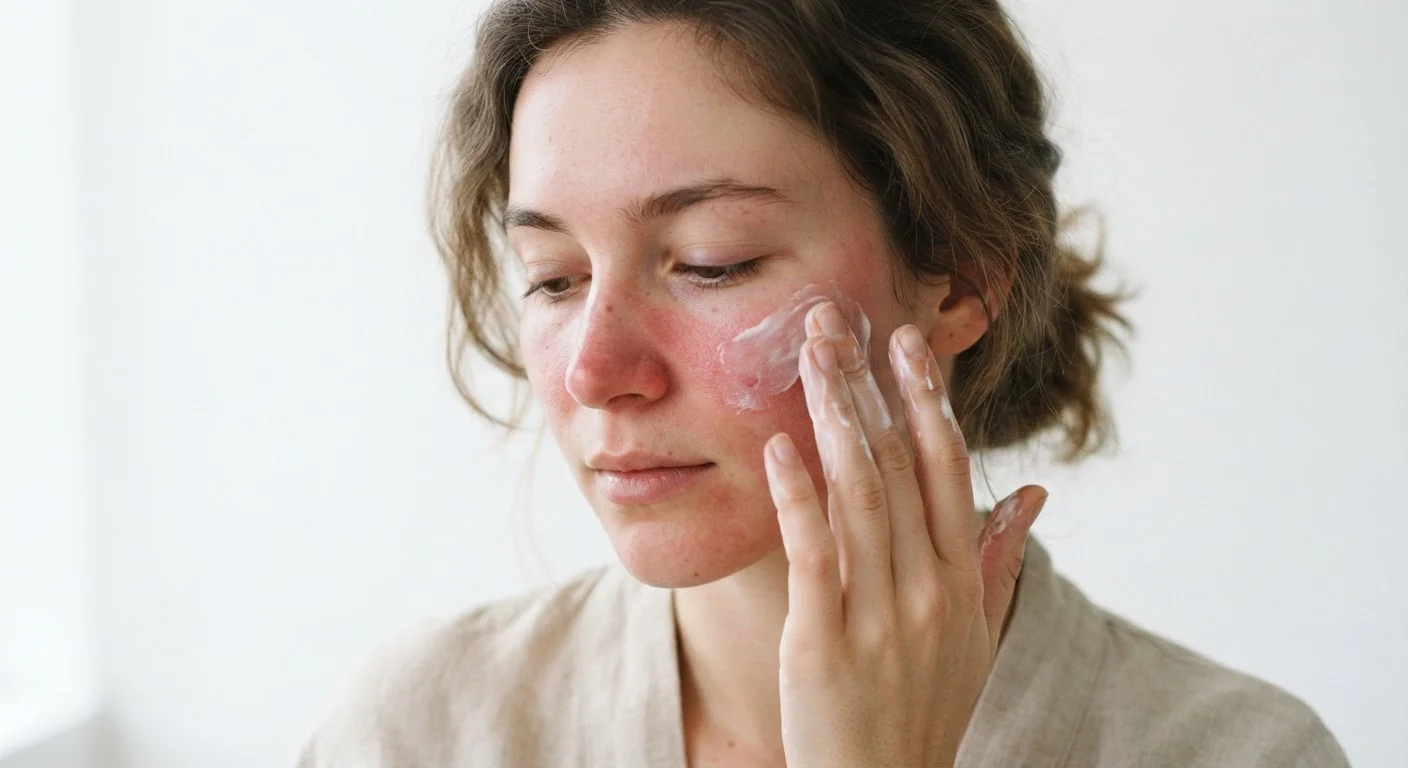
Over-exfoliated skin tends to signal distress in recognizable ways. Persistent redness, a tight or stinging sensation after cleansing, sudden sensitivity to products that previously caused no reaction, and an unexpected increase in breakouts are all common signs. Skin may also look shiny or feel almost waxy — a result of the protective outer layer being stripped away.
Don't Mistake Irritation for a 'Purge'
A common misconception is that stinging, peeling, or increased breakouts after exfoliation are signs that a product is 'working.' In many cases, these reactions indicate that the skin is being damaged rather than renewed. If discomfort persists beyond a day or two, stop using the product and allow your skin to recover before reintroducing it — or consult a dermatologist. This belief is one of several examined in our article on personal care myths dermatologists push back on.
These symptoms are often mistaken for other conditions, which can lead people to reach for stronger treatments and compound the damage. The most effective response is usually to pause all exfoliation entirely, switch to a gentle fragrance-free cleanser, and focus on barrier-supporting ingredients such as ceramides and niacinamide. For a full explanation of what the skin barrier does and how to restore it, see our guide to the skin barrier.
This article provides general skincare information only and is not a substitute for advice from a qualified dermatologist or healthcare professional. If you are experiencing persistent or severe skin reactions, consult a medical professional.