

Key Takeaways
Separation Anxiety in Dogs
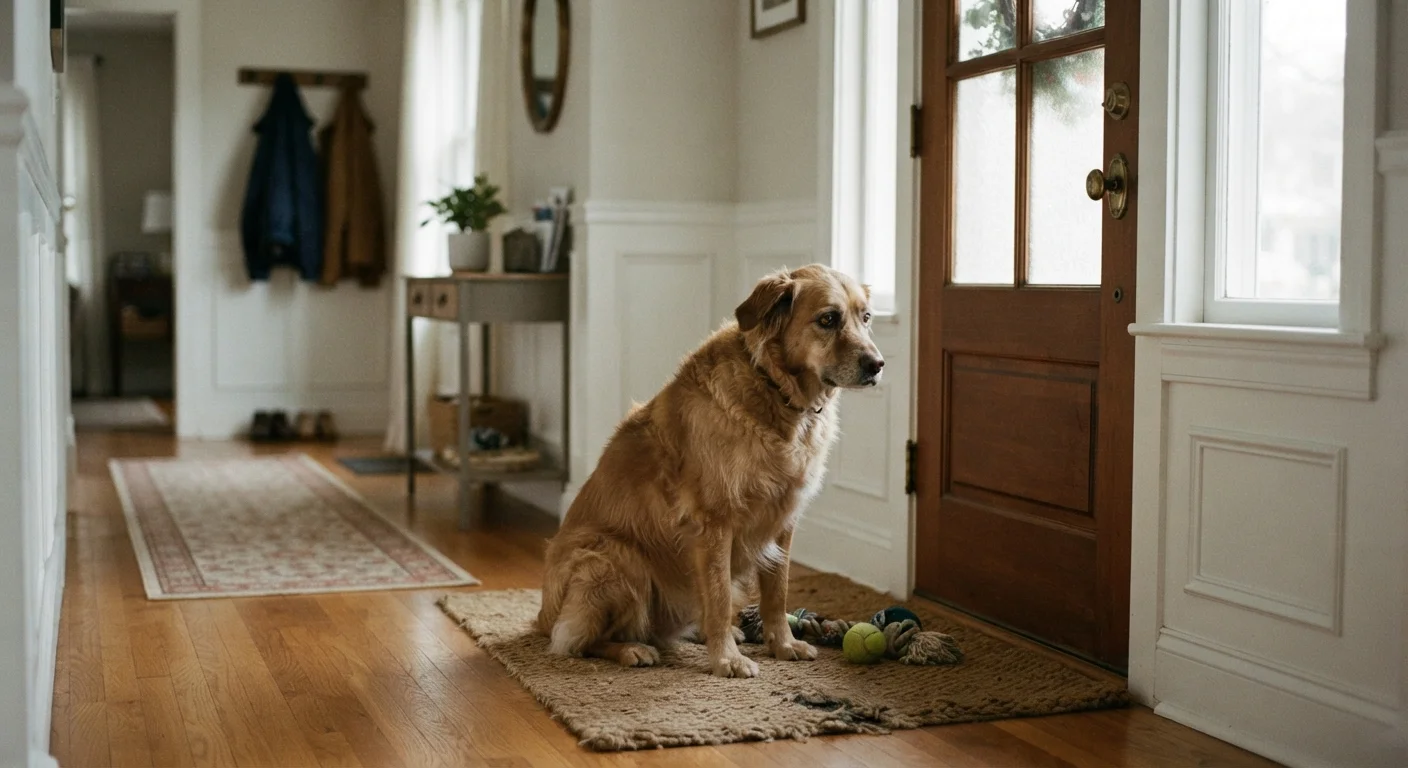
Separation anxiety is a behavioral condition in which a dog experiences intense distress when left alone or separated from the person or people they are bonded to. It goes beyond typical loneliness — it is a genuine panic response triggered by the absence of a trusted attachment figure. Dogs with separation anxiety often engage in destructive, disruptive, or self-injurious behavior specifically while alone.
Separation anxiety is classified as an anxiety disorder rooted in dysregulation of the stress-response system. It is distinct from boredom-related misbehavior and requires different intervention strategies.
What Separation Anxiety Actually Looks Like
The behaviors associated with separation anxiety are easy to misread. A dog that has chewed through a door frame, urinated on the floor, or barked for hours is often labeled "destructive" or "stubborn" — but these labels miss the point entirely. What's happening is closer to a panic attack than a behavioral choice.
The most telling sign is context: the behaviors happen almost exclusively when the dog is alone or separated from their attachment figure. Common presentations include:
- Destructive behavior focused near exits — door frames, window sills, crates
- Excessive vocalization — barking, howling, or whining that begins shortly after departure
- House soiling in a dog that is otherwise reliably housetrained
- Pacing, drooling, or panting as evidence of physiological stress
- Refusing food or ignoring treats left behind — a meaningful indicator since anxious dogs often can't eat
One of the most practical diagnostic steps owners can take is setting up a phone or camera to record the dog during an absence. This footage often reveals distress that begins within minutes of departure — pacing immediately after the door closes, for instance — which is difficult to observe any other way. For a broader look at how dogs signal distress physically, see signs your pet is in pain that are easy to miss.
Why Separation Anxiety Develops
Separation anxiety has several recognized contributing factors, and in most dogs it involves a combination of genetics, early experience, and environmental history.
Attachment and dependence: Dogs are highly social animals that form strong bonds with specific people. When those bonds become so central to a dog's sense of safety that independence feels impossible, anxiety follows. This is sometimes unintentionally reinforced when owners — out of affection — never allow the dog to be alone, even for short periods.
Life changes and transitions: Sudden shifts in routine are a common trigger. A dog that has always had a person home all day may develop separation anxiety when schedules change. Dogs rehomed from shelters or who have experienced abandonment show elevated risk, as do dogs that were over-socialized during early development without ever learning to self-settle.
Underlying anxiety temperament: Some dogs have a nervous system that is more reactive to stress — a trait influenced by both genetics and early socialization experiences. These dogs may be more prone to anxiety disorders in general, not just in separation contexts.
Use Video to Confirm What's Really Happening
Before starting any behavior modification program, record your dog during a real absence — even a 20-minute errand. Look for signs of distress in the first five minutes: pacing, whining, scratching at the door, or inability to settle. This footage is also helpful to share with a veterinarian or behaviorist so they can assess severity accurately.
It is worth noting that separation anxiety is behaviorally distinct from other common dog behavior challenges. Unlike aggression in dogs, which is often triggered by specific external stimuli, separation anxiety is driven by an internal fear state tied to absence.
Evidence-Based Approaches to Treatment
The most well-supported treatment for separation anxiety is systematic desensitization — a process of gradually and repeatedly exposing the dog to being alone at a level just below what triggers distress, then slowly increasing the duration over time. The goal is to teach the dog that departures are predictable, safe, and temporary.
Key principles of this approach include:
- Start extremely small. Some dogs need to begin with the owner simply leaving the room for a few seconds before returning calmly. Progress must match the dog's actual comfort level, not an optimistic timeline.
- Avoid emotional departures and arrivals. Long goodbyes and enthusiastic hellos can inadvertently signal to the dog that separations are a big deal. Matter-of-fact comings and goings reduce the drama around the trigger.
- Never punish anxious behavior. Punishment increases stress and damages trust — the opposite of what's needed. Anxious behavior is a symptom, not defiance.
- Build independence gradually. Practicing short alone-time within the home — even just settling on a mat while you're in another room — builds the dog's capacity to self-regulate. Teaching a reliable stay can be a useful foundational skill in this process.
For moderate to severe cases, a veterinarian may discuss whether anti-anxiety medication could be appropriate. Medication does not eliminate the need for behavior modification — it reduces the dog's baseline anxiety enough to make learning possible. Always work with a licensed veterinarian for any medication-related decisions.
This article is for general informational purposes only and does not constitute veterinary or medical advice. If your dog is showing signs of significant distress, consult a licensed veterinarian or certified applied animal behaviorist.