

Key Takeaways
Chronic Stress Response
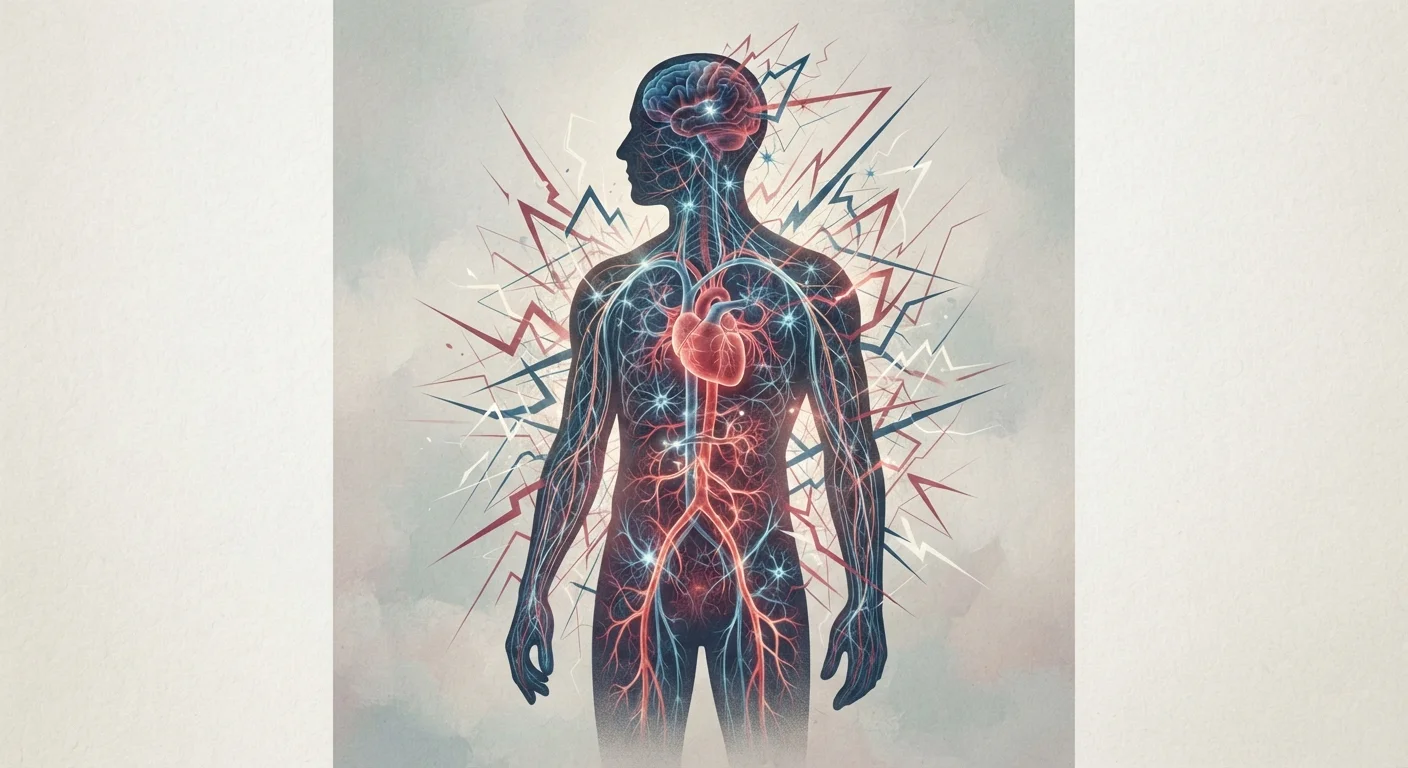
Chronic stress occurs when the body's built-in alarm system stays activated over an extended period, rather than switching off once a threat has passed. Unlike acute (short-term) stress, which is a normal and useful survival mechanism, chronic stress means stress hormones and physiological changes persist for weeks, months, or longer. Over time, this sustained activation places measurable strain on multiple organ systems.
The primary biological pathway involved is the hypothalamic-pituitary-adrenal (HPA) axis, which regulates the release of cortisol. Prolonged HPA activation is associated with dysregulation of inflammatory markers, immune function, and metabolic processes.
How the Stress Response Was Designed to Work
The human stress response is an elegantly engineered survival system. When the brain perceives a threat - whether a predator or a looming work deadline - the hypothalamus sends a rapid signal through the nervous system, triggering the adrenal glands to release adrenaline (epinephrine). Heart rate rises, muscles receive extra blood flow, and non-essential processes like digestion are temporarily suppressed. Within seconds, the body is primed to fight or flee.
A secondary, slower wave follows via the hypothalamic-pituitary-adrenal (HPA) axis. The hypothalamus releases corticotropin-releasing hormone (CRH), which prompts the pituitary gland to secrete adrenocorticotropic hormone (ACTH), which in turn signals the adrenal cortex to produce cortisol. Cortisol sustains the stress response and helps regulate the body's return to baseline once the threat has passed.
This system works well when threats are discrete and temporary. The problem arises when that reset never fully happens.
What Changes When Stress Becomes Chronic
Modern stressors - financial pressure, caregiving demands, job insecurity, relationship conflict - rarely resolve in minutes. They persist. When the HPA axis remains repeatedly or continuously activated, cortisol levels stay elevated well beyond their useful window, and the downstream effects become cumulative.
77%
Americans reporting physical stress symptoms
According to the American Psychological Association's Stress in America survey, a substantial majority of U.S. adults regularly experience physical symptoms they associate with stress.
40%
Increased infection risk under chronic stress
A landmark meta-analysis of psychoneuroimmunology research found that chronic psychological stress was associated with meaningfully elevated susceptibility to upper respiratory infections compared to lower-stress counterparts.
2-3×
Greater cardiovascular event risk with high stress
Research reviewed by the American Heart Association suggests people with high chronic work or life stress may face roughly two to three times the cardiovascular risk of those with lower stress exposure, across multiple large population studies.
Immune function is one early casualty. While cortisol suppresses inflammation acutely (a useful feature in injury), chronic elevation can impair the immune system's ability to mount effective responses over time. Research published in peer-reviewed immunology journals has linked sustained psychological stress to slower wound healing, greater susceptibility to respiratory infections, and reduced vaccine response in some populations.
Cardiovascular strain is another documented consequence. Repeated surges in blood pressure and heart rate, combined with stress-associated increases in inflammatory markers such as C-reactive protein, are associated with elevated long-term cardiovascular risk.
Brain function is also affected. The hippocampus - critical for learning and memory - contains many cortisol receptors and appears particularly sensitive to chronic glucocorticoid exposure. Studies using neuroimaging have found structural and functional differences in the hippocampus and prefrontal cortex among people with high long-term stress exposure, though causality and individual variation remain areas of active research.
The Stress-Sleep Connection
One of the most direct and self-reinforcing consequences of chronic stress involves sleep. Elevated cortisol suppresses the release of melatonin, the hormone that signals the brain to prepare for sleep. Disrupted sleep, in turn, elevates the stress response the following day - creating a feedback loop that compounds over time.
For a deeper look at the biological mechanism behind this cycle, see how cortisol and sleep interact. The broader health consequences of consistently short sleep are also explored in our article on what happens when you regularly get less than seven hours.
Sleep deprivation and chronic stress share several physiological pathways, meaning they tend to worsen each other's effects on metabolic regulation, emotional reactivity, and immune defense simultaneously.
Recognizing the Pattern and Taking Stock
Because the body adapts - and because many chronic stress symptoms overlap with other conditions - it can be surprisingly difficult to recognize when everyday pressure has become something more systemic. Persistent fatigue that sleep does not resolve, frequent headaches, gastrointestinal changes, and a heightened sense of irritability or emotional flatness are among the signals worth paying attention to.
Understanding what to look for is an important first step. Our guide to signs that stress has crossed into something worth addressing outlines specific patterns without encouraging self-diagnosis or alarm.
From there, building consistent habits matters. Evidence supports a range of general strategies - adequate sleep, physical activity, social connection, and structured relaxation practices - as meaningful contributors to regulating the stress response over time. For practical guidance on getting started, see building a daily stress-management routine that actually sticks. For longer-term resilience principles, sustainable approaches to protecting emotional health offers evidence-backed context.
This article is for general informational purposes only and does not constitute medical advice. If you are concerned about stress or related symptoms, please consult a qualified healthcare professional.