

Key Takeaways
The Gap Between 'Nice Clothes' and a 'Nice Outfit'
Most wardrobe frustration doesn't come from not owning enough clothes — it comes from those clothes not working together. You can have a closet full of pieces you genuinely like and still struggle to walk out the door feeling put-together. That gap is almost always caused by a handful of recurring, fixable mistakes rather than a lack of taste or budget.
Style is less about instinct than it is about understanding a few structural principles. Once you know what's typically going wrong, you can address it directly rather than buying more in hopes that something eventually clicks.
Wearing clothes that don't fit your current body properly.
Why it happens: Many people hold onto clothes they love or hope to fit into again, wearing them anyway. Sizing varies wildly across brands, so shoppers often default to a number rather than what actually fits.
Combining too many visual elements that compete for attention.
Why it happens: It's tempting to layer interesting pieces together, especially when each item seems stylish on its own. Without a clear focal point, though, the result reads as cluttered rather than creative.
Ignoring proportion between top and bottom halves of an outfit.
Why it happens: Most people dress in pieces rather than thinking about the overall silhouette they're creating. Pairing a voluminous top with wide-leg pants, for example, can make an outfit feel shapeless without deliberate styling.
Choosing shoes that contradict the tone of the rest of the outfit.
Why it happens: Shoes are often chosen for comfort or habit rather than compatibility with the specific outfit being worn. It's easy to default to the same pair regardless of what else is going on.
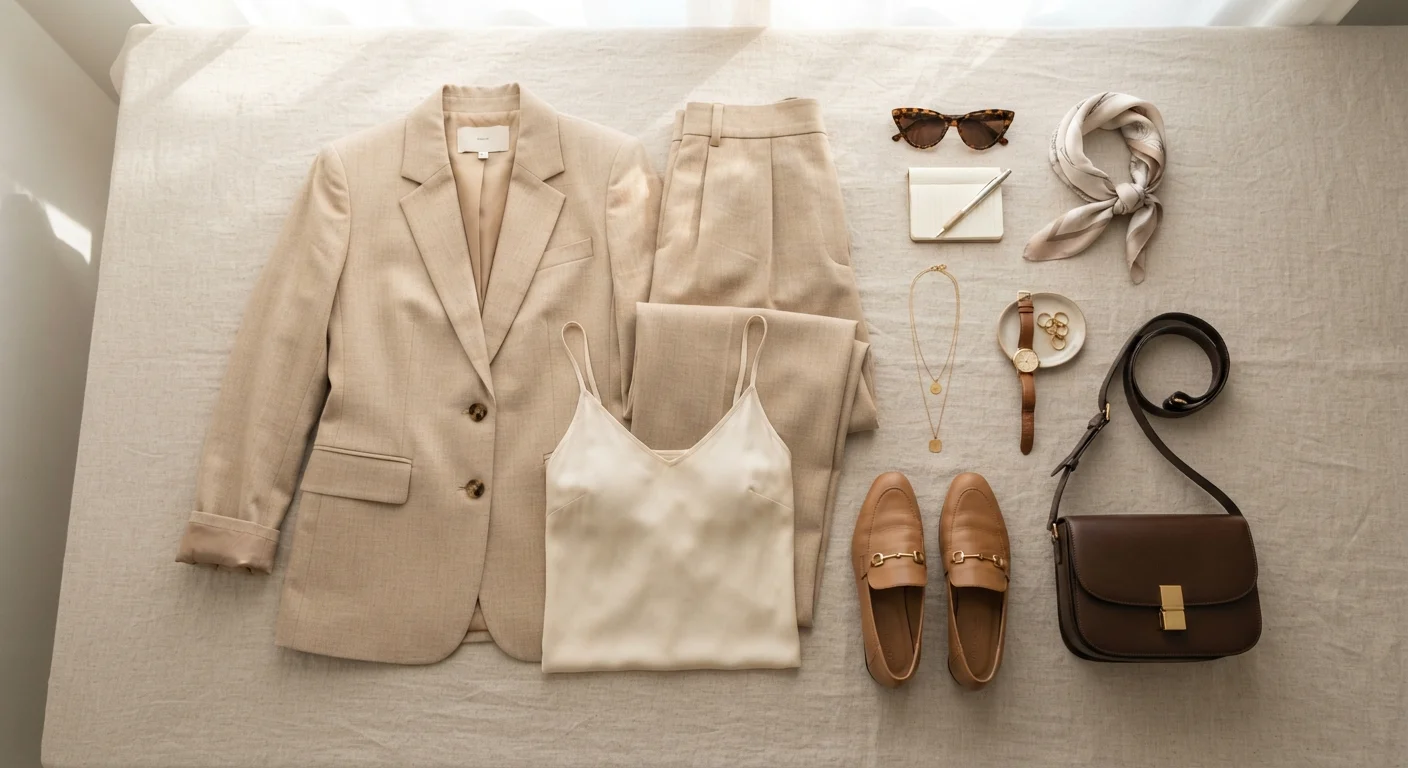
Owning a closet full of items that don't connect with each other.
Why it happens: Buying individual pieces that seem appealing in isolation — often on sale or impulse — results in a wardrobe where everything exists in its own style universe. Nothing pairs naturally.
Overlooking the role of color harmony in how outfits read.
Why it happens: Color intuition isn't something most people are taught, so combinations often happen by accident rather than intention. This can result in clashing tones that make an otherwise solid outfit feel unresolved.
Building a Wardrobe That Actually Works for You
Fixing individual outfit mistakes is useful, but the larger goal is a wardrobe that makes getting dressed easier most days. That means being intentional about what you bring in and honest about what's genuinely not getting worn or working.
Style priorities also shift over time — what functioned well at one stage of life may not suit a different one. How clothing needs evolve with age and lifestyle is worth considering when reassessing what belongs in your closet and what no longer earns its space.
Don't Shop Your Way Out of a Wardrobe Problem
Adding more clothes to a disconnected wardrobe rarely fixes the underlying issue — it usually makes it worse. Before purchasing anything new, identify the actual gap: is it fit, color range, a missing versatile layer? Targeted buying beats volume every time, and it's easier on your budget too.
The goal isn't perfection — it's reducing friction. A wardrobe where most pieces connect with most others means fewer frustrating mornings and more confidence in what you're wearing when you leave the house.