

Key Takeaways
Start here
Why Preventive Care Matters From Day One
Next
Your Pet's First Vet Visit: What to Expect
Then
Vaccinations, Parasite Prevention, and Spay/Neuter
Build on it
Nutrition, Weight, and Dental Health
When you're ready
Building a Long-Term Health Routine
Why Preventive Care Matters From Day One
Preventive health care is the single most effective investment you can make in your pet's long-term wellbeing. Unlike reactive care — treating illness or injury after it occurs — preventive care catches risks early, slows disease progression, and keeps many conditions from developing at all.
For first-time pet owners, the sheer number of to-dos can feel overwhelming. The good news is that preventive care follows a clear, logical sequence. Once you understand the framework, each step builds naturally on the last. For a broader view of what responsible pet ownership involves day to day, see our guide to responsible pet ownership.
Core vaccines
Vaccinations considered essential for all pets of a given species, regardless of lifestyle, because the diseases they prevent are serious, widespread, or transmissible to humans.
Non-core vaccines
Optional vaccines recommended based on a pet's individual risk factors, such as geographic location, outdoor access, or exposure to other animals.
Body condition score
A standardized scale vets use to assess whether a pet is underweight, at a healthy weight, or overweight by evaluating visible and palpable fat and muscle.
Parasite prevention
Regular use of medications or treatments — given monthly, quarterly, or otherwise — to protect pets from fleas, ticks, heartworm, and intestinal parasites.
Wellness exam
A routine veterinary checkup for a pet showing no obvious signs of illness, used to assess overall health, catch early problems, and update preventive care.
Microchipping
A small implanted chip placed under a pet's skin that carries a unique ID number, used to help reunite lost pets with their owners through a registry database.
Your Pet's First Vet Visit: What to Expect
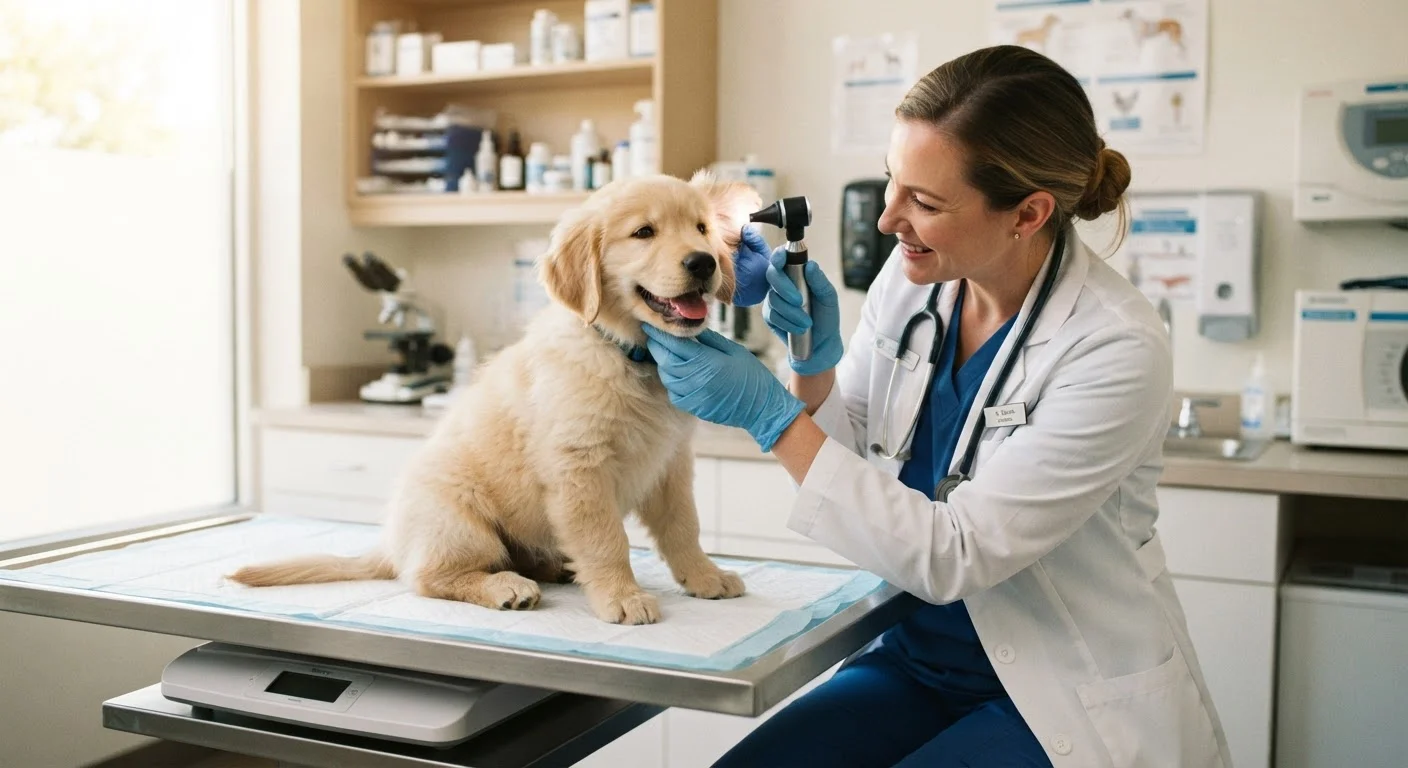
Book a veterinary appointment within the first week of bringing your pet home — ideally before they've had extended contact with other animals. The initial exam typically includes a full physical assessment: the vet will check your pet's eyes, ears, teeth, coat, weight, and heart and lung sounds.
Come prepared with any health records from a breeder, shelter, or rescue. Your vet will review existing vaccinations, screen for internal and external parasites, and help you map out a health calendar for the months ahead. Familiarizing yourself with common veterinary terms beforehand can help you ask better questions — our veterinary glossary for pet owners is a useful starting point.
Don't hesitate to ask about microchipping, spay/neuter timing, and nutrition recommendations during this visit. It's your opportunity to build a relationship with the practice and establish your pet's baseline health data.
Vaccinations, Parasite Prevention, and Spay/Neuter
Vaccines protect your pet — and in some cases your household — from serious, contagious diseases. Core vaccines are recommended for virtually all pets regardless of lifestyle; non-core vaccines depend on factors like geographic location, whether your pet goes outdoors, or whether they interact with other animals.
Parasite prevention is equally critical. Fleas, ticks, and heartworm pose real health risks, and many preventives address multiple parasites simultaneously. To understand how different prevention methods compare, see our overview of flea, tick, and heartworm prevention. Your vet can recommend an approach suited to your region and pet's lifestyle.
Keep a Simple Health Log for Your Pet
From your first vet visit onward, maintain a basic record of your pet's vaccinations, parasite prevention dates, weight, and any health concerns you've noticed. A small notebook or phone note works fine. This log becomes invaluable when your pet sees a new vet, a specialist, or requires emergency care.
Spaying or neutering is another foundational decision. Beyond population control, these procedures can reduce the risk of certain cancers and behavioral issues. Timing recommendations vary by species, sex, and breed size — your veterinarian is the right resource for guidance specific to your animal.
Nutrition, Weight, and Dental Health
Feeding your pet an appropriate, life-stage diet supports nearly every other aspect of their health. Puppies and kittens have different caloric and nutrient needs than adults or seniors. Your vet can help you choose a diet suited to your pet's age, size, and any specific health considerations — keeping in mind that no single food is right for every animal.
Weight management matters more than many new owners realize. Overweight pets face elevated risks of joint disease, diabetes, heart problems, and shortened lifespan. Monitor your pet's body condition at home between visits, and report any noticeable changes to your vet promptly.
Dental disease affects the majority of dogs and cats by age three, according to veterinary dental organizations. Plaque and tartar buildup can lead to painful infections and, over time, systemic illness. Ask your vet about a home dental care routine — including tooth brushing — and whether professional dental cleanings are appropriate for your pet.
Building a Long-Term Health Routine
Preventive care isn't a one-time checklist — it's an ongoing rhythm. Annual (or more frequent) wellness exams, parasite prevention on schedule, up-to-date vaccinations, and consistent at-home monitoring are the pillars of a healthy life for your pet. For a month-by-month breakdown of care tasks, our preventive care calendar is a helpful reference to bookmark.
Your pet's needs will shift as they age. Young animals need socialization and a solid foundation — see our guide on socializing puppies and kittens for that critical developmental window. Adult pets thrive on consistency. Senior pets need closer monitoring and may require more frequent vet visits.
Think of yourself as your pet's primary health advocate. The more you understand about normal versus abnormal behavior, appetite, and appearance, the faster you'll notice when something is off. Building that awareness, alongside a trusted veterinary relationship, is what preventive care is ultimately about.
This article provides general health information for educational purposes only and is not a substitute for professional veterinary advice. Always consult a licensed veterinarian for guidance specific to your pet's health needs.