

Key Takeaways
Periodontal Disease in Pets
Periodontal disease is a progressive infection of the structures supporting a pet's teeth — including the gums, ligaments, and jawbone. It begins with plaque, a sticky film of bacteria that hardens into tartar and eventually inflames the gums (gingivitis). Without intervention, it advances below the gumline, causing bone loss, tooth pain, and tooth loss. It is one of the most diagnosed conditions in adult dogs and cats.
Veterinary studies estimate that by age three, more than 80% of dogs and 70% of cats show some degree of periodontal disease. The condition is graded on a scale of 1 to 4, with Stage 1 being reversible gingivitis and Stage 4 involving severe bone and tissue destruction.
Why Dental Disease Goes Unnoticed for So Long
Animals are remarkably good at concealing discomfort — a survival instinct that works against their owners' ability to spot a problem early. Dental disease, in particular, tends to develop quietly over months or years before it becomes impossible to ignore. By the time a pet is visibly reluctant to eat or has noticeably bad breath, the disease may already be in an advanced stage.
This is why veterinary professionals often describe periodontal disease as a "silent" condition. There are no dramatic symptoms at first — just bacteria accumulating on tooth surfaces, hardening into tartar, and slowly working their way beneath the gumline. For more on the subtle ways pets communicate pain, see signs of pain in pets that owners often miss.
Small Breeds Face Higher Risk
Toy and small-breed dogs — including Dachshunds, Yorkshire Terriers, Chihuahuas, and Shih Tzus — are disproportionately affected by periodontal disease. Their teeth are often crowded relative to the size of their jaws, creating more surfaces where plaque and tartar accumulate. Owners of small-breed dogs should discuss dental care with their vet early and often.
How Periodontal Disease Develops: Stage by Stage
Understanding the progression helps owners recognize what's at stake and why early intervention matters.
- Plaque formation: Within hours of eating, bacteria form a soft, sticky film (plaque) on teeth surfaces. In healthy mouths, brushing removes this before it can cause harm.
- Tartar (calculus) buildup: Plaque that isn't removed mineralizes within days into hard tartar, which cannot be brushed away at home. Tartar provides a rough surface where more bacteria thrive.
- Gingivitis: As bacteria accumulate at the gumline, the gums become inflamed and may bleed easily. At this early stage, the disease is still reversible with a professional cleaning.
- Periodontitis: If gingivitis is left untreated, infection spreads below the gumline. The body's immune response begins destroying the bone and connective tissue that anchor teeth — damage that is not reversible.
- Tooth loss and systemic effects: Advanced disease leads to loose or lost teeth and chronic pain. Oral bacteria may also enter the bloodstream, and some research suggests links to kidney, liver, and cardiac changes over time.
Including dental health checks in your pet's routine is covered in the Everyday Pet Owner's Preventive Care Calendar, which maps out what to monitor year-round.
What Pet Owners Can Do at Home
Home care cannot replace professional veterinary cleanings, but it can meaningfully slow disease progression. The most effective tool available is daily tooth brushing.
Making Tooth Brushing Easier for Your Pet
Start by letting your pet taste a small amount of pet-safe toothpaste from your finger for several days before introducing a brush. Gradually work up to lifting the lip and touching the teeth and gums. Keep early sessions short — under a minute — and always end on a positive note. Patience and routine are more important than technique.
Getting started with brushing: Begin slowly, allowing your pet to get used to having their mouth touched before introducing a toothbrush. Use small circular motions along the gumline, focusing on the outer surfaces of the back teeth where tartar tends to accumulate most. Consistency matters more than perfection — even a few times per week is better than nothing.
Additional home-care options — such as dental chews, water additives, and specially formulated diets — can complement brushing but are generally considered less effective on their own. Look for products carrying the Veterinary Oral Health Council (VOHC) seal, which indicates the product has met published standards for reducing plaque or tartar. Always discuss any new dental product with your veterinarian before introducing it.
The Role of Professional Dental Cleanings
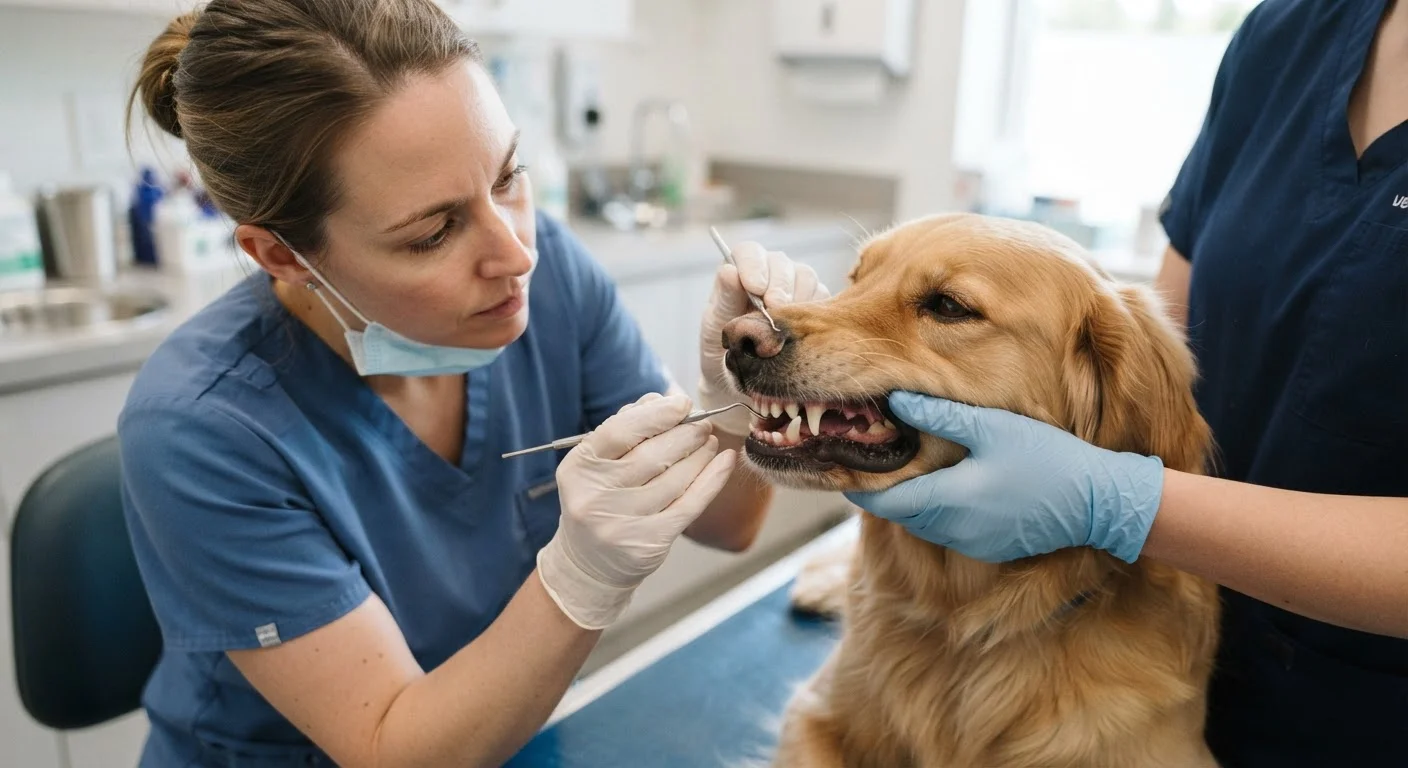
A professional veterinary dental cleaning is the only way to safely remove tartar below the gumline and thoroughly evaluate the full extent of your pet's dental health. The procedure is performed under general anesthesia, which allows the veterinarian to take dental X-rays, probe gum pockets, and treat affected areas — steps that cannot be done safely in a fully awake animal.
Many pet owners are understandably anxious about anesthesia. Modern veterinary anesthetic protocols are much safer than they once were, and most healthy adult pets tolerate the procedure well. Your veterinarian will typically perform bloodwork beforehand to assess organ function and overall anesthetic risk — particularly important for older pets whose health needs shift with age.
How often a professional cleaning is needed depends on the individual animal. Small-breed dogs, brachycephalic breeds (like Bulldogs and Pugs), and pets with crowded teeth tend to develop problems more quickly. Your vet is the best resource for a personalized schedule.
This article is for general informational purposes only and is not a substitute for professional veterinary advice, diagnosis, or treatment. Always consult your veterinarian about your pet's specific health needs.