

Key Takeaways
Option A
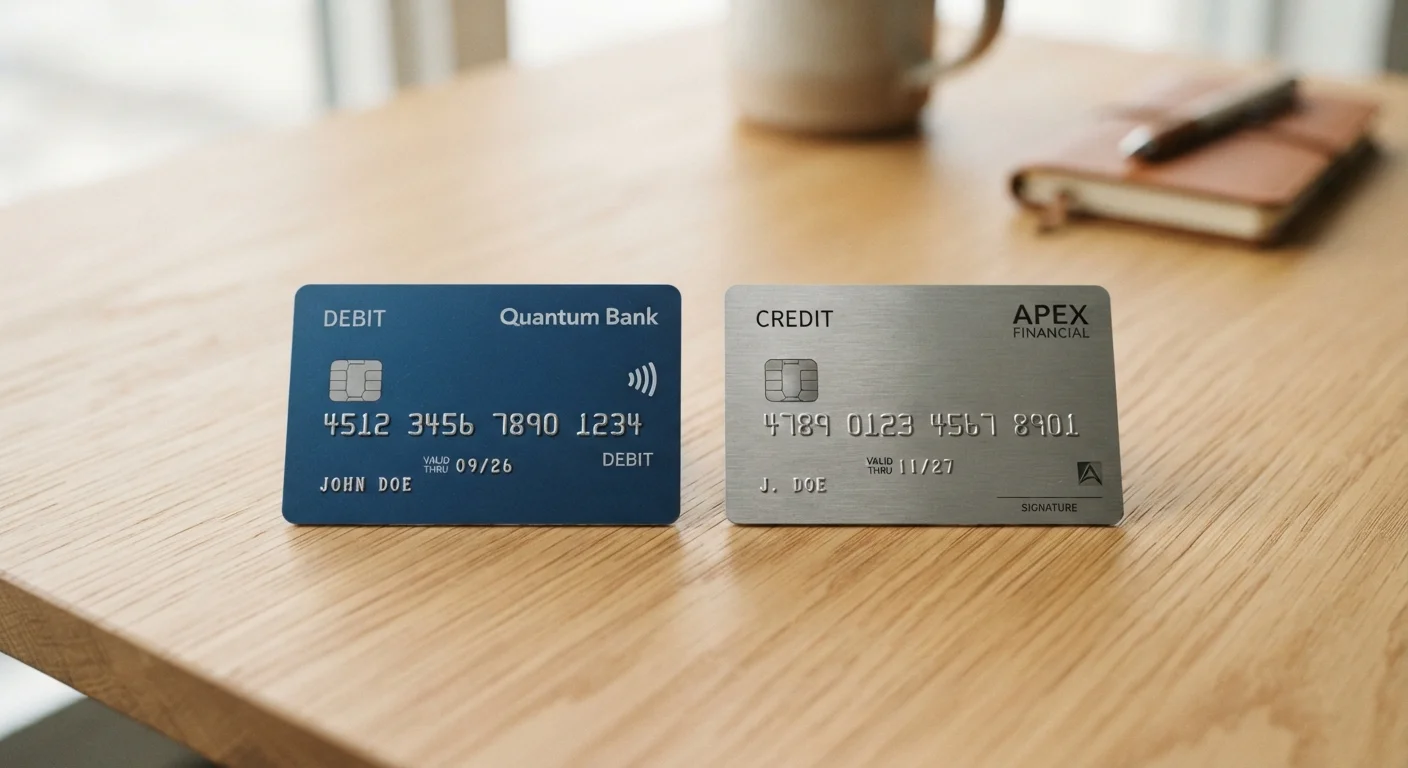
Credit Card
The consumer-protection powerhouse with reward potential.
Best for: Shoppers who pay their balance in full each month and want stronger fraud protections and purchase benefits.
Option B
Debit Card
The straightforward, spend-what-you-have option.
Best for: Consumers who want to stay strictly within their current budget and avoid any risk of carrying debt.
If you pay your balance in full every month
Credit Card
You capture consumer protections and potential rewards without paying interest, making credit the more advantageous tool when used responsibly.
If you're working on controlling overspending
Debit Card
Spending only what's in your account creates a natural spending boundary that can help prevent debt accumulation while you build better habits.
If you're actively paying down credit card debt
Debit Card
Adding new credit charges while carrying existing debt makes it harder to reduce your balance; debit keeps spending separate from debt repayment.
If you're making a large purchase online or traveling
Credit Card
Federal law caps your liability at $50 for unauthorized credit card charges reported promptly, and disputed funds aren't pulled from your bank account during an investigation.
How Each Card Actually Works
A debit card is directly linked to your checking account. Every purchase immediately reduces your available balance. If you spend more than you have, you either get declined or trigger an overdraft fee, depending on your bank's settings.
A credit card creates a short-term loan. You're borrowing from the card issuer up to your credit limit, with the expectation that you'll repay the amount - ideally in full by your statement due date. If you carry a balance past that date, interest accrues on the remaining amount.
Understanding this mechanical difference is the foundation for every other trade-off between the two. For a broader look at all your payment options, see our comparison of cash, debit, and credit at the register.
| Criterion | Credit Card | Debit Card |
|---|---|---|
| Funds source | Borrowed (credit line) | Your checking account |
| Fraud liability (prompt report) | Max $50 (FCBA) | Max $50 within 2 days (EFTA) |
| Fraud liability (delayed report) | Max $50 | Up to $500 or more |
| Risk of debt | Yes, if balance carried | No (overdraft aside) |
| Rewards programs | Common, often substantial | Rare or minimal |
| Spending boundary | Credit limit (flexible) | Account balance (firm) |
| Interest charges | Yes, if balance unpaid | None |
Consumer Protections: A Clear Divide
This is where credit cards hold a significant, legally established edge. Under the Fair Credit Billing Act (FCBA), your maximum liability for unauthorized credit card charges is $50 if you report them promptly - and many issuers offer $0 liability policies voluntarily.
Debit cards fall under the Electronic Fund Transfer Act (EFTA), which offers protection too, but the timeline matters. If you report an unauthorized charge within two business days, liability is capped at $50. Wait longer - up to 60 days after your statement - and liability can rise to $500. Beyond 60 days, you could be responsible for the full amount of fraudulent transactions.
There's also a practical cash-flow difference: disputed credit card charges haven't left your bank account yet, so your money isn't tied up during an investigation. With debit, the funds are already gone while you wait for resolution. This makes credit cards particularly worth considering for online purchases and travel.
Spending Control and Budget Impact
Debit cards have a built-in discipline mechanism - you can only spend money you actually have (absent overdraft coverage). For anyone working on core budgeting habits, this hard boundary can be genuinely useful.
Credit cards require self-imposed discipline. The convenience of deferred payment makes it easy to lose track of total spending, which is how many people end up carrying balances. Once interest enters the picture, even modest balances become expensive. A $500 balance at a common annual percentage rate (APR) of 20% costs roughly $100 in interest annually if left unpaid.
If you're currently managing debt alongside everyday expenses, it's worth reading about balancing debt repayment and saving before leaning further on credit for routine purchases.
$500
Potential debit fraud liability after 60 days
Under the Electronic Fund Transfer Act, waiting more than 60 days to report unauthorized debit transactions can leave you liable for the full loss.
20%+
Average credit card APR in recent years
The Consumer Financial Protection Bureau has reported average credit card interest rates exceeding 20% APR, making unpaid balances costly quickly.
$50
Max credit card fraud liability under federal law
The Fair Credit Billing Act caps consumer liability at $50 for unauthorized charges reported promptly, and many issuers voluntarily offer $0 liability.
Rewards, Fees, and Hidden Trade-Offs
Credit cards often include rewards programs - cash back, travel points, or purchase benefits like extended warranties. These can have real value, but only if you're not paying interest. Once you carry a balance, interest charges almost always exceed the value of any rewards earned.
Debit cards rarely offer meaningful rewards, and some charge monthly maintenance fees depending on the bank account attached. Neither card type is automatically cheaper - it depends entirely on how you use it.
Also worth noting: some credit cards charge annual fees. These make sense only if the benefits you actually use exceed the fee amount. Don't assume rewards programs are universally beneficial - common credit card myths often inflate their perceived value.
This article provides general financial education and is not personalized financial advice. Consult a qualified financial professional for guidance tailored to your situation.