

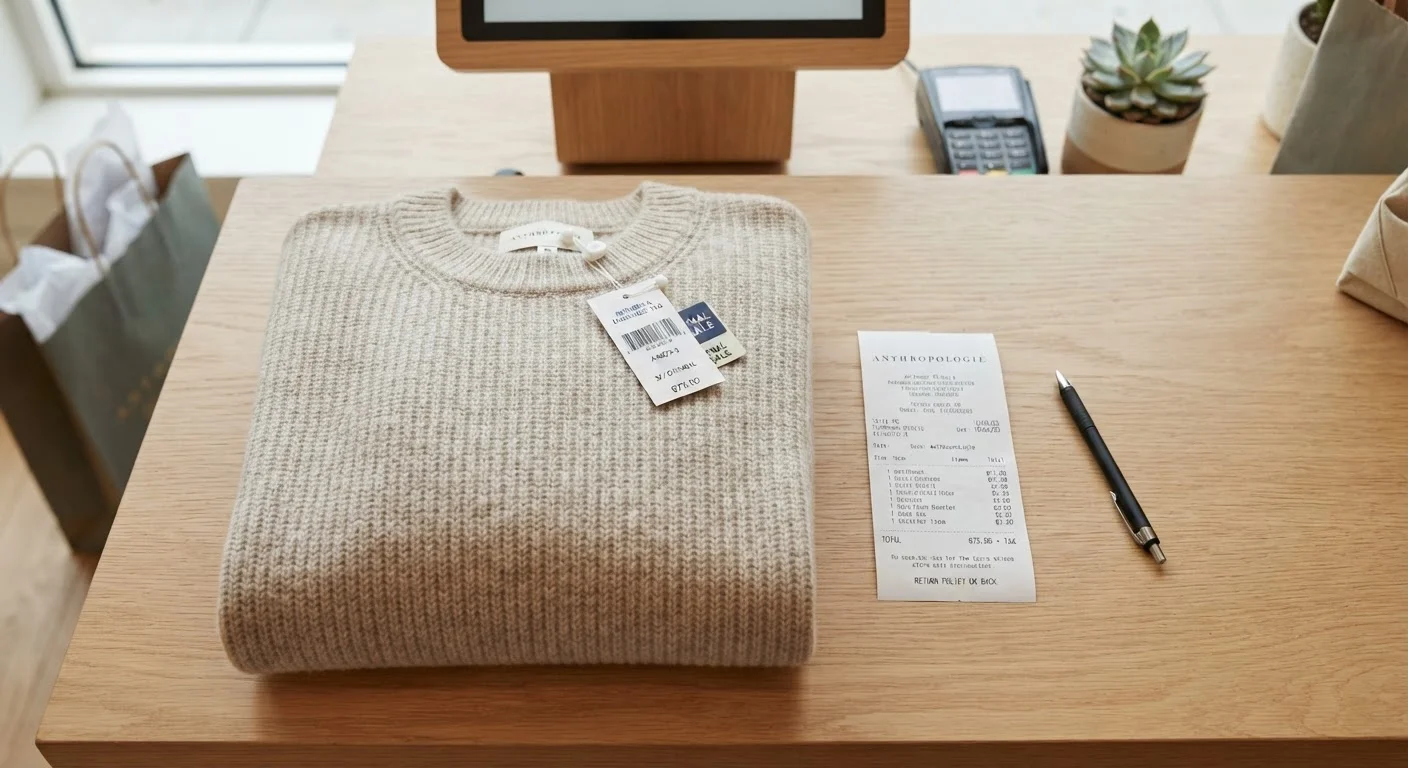
No Federal Law Requires Stores to Accept Returns
Many shoppers assume they have an automatic right to return a purchase. In reality, no federal law in the United States requires retailers to accept returns - with a narrow exception for defective or misrepresented goods. Return policies are largely a business decision, not a legal mandate.
That said, most states require stores to clearly post their return policy at the point of sale or on the receipt. If no policy is posted, some states default to a minimum return window. For a full breakdown of what disclosure rules actually apply in your state, see what retailers are legally required to tell you.
The practical takeaway: read the policy before you buy, not after something goes wrong.
The Key Terms That Determine Whether You'll Get Your Money Back
Return policies vary widely, but they all turn on a handful of variables. Understanding each one lets you quickly evaluate any policy before committing to a purchase.
Return Window
This is the number of days you have to initiate a return after purchase. Windows can range from 14 days for electronics at some retailers to 90 days or longer for general merchandise. Note whether the clock starts at purchase date or delivery date - for online orders, this distinction matters.
Condition Requirements
Most stores require items to be returned in original, unused condition with all original packaging and tags. "Opened" or "used" doesn't automatically disqualify a return, but it may reduce what you receive. Carefully worded policies may exclude items that have been "installed," "worn," or "assembled."
Proof of Purchase
Receipts, order confirmation emails, and packing slips all qualify as proof of purchase at most retailers. Some accept a credit card lookup or loyalty account history if you've lost the physical receipt. Keeping organized purchase records can be the difference between a smooth return and a denial.
Refund Form
Policies often distinguish between a full cash/credit refund, a store credit only, or an exchange. These options may not be interchangeable - a policy offering "refunds" may still issue only store credit for certain item categories.
Restocking Fees
Some retailers - particularly for electronics, appliances, and specialty items - deduct a restocking fee (commonly 10-25% of the purchase price) from your refund. This fee must typically be disclosed at the time of sale to be enforceable.
Return window
The number of days a customer has to initiate a return after purchase or delivery. Once this period expires, most retailers will not accept returns regardless of the item's condition.
Restocking fee
A percentage of the purchase price deducted from a refund when an item is returned, commonly applied to electronics and large appliances. It must typically be disclosed before purchase to be enforceable.
Final sale
A designation indicating that an item cannot be returned or exchanged under any circumstances. Final sale items are commonly sold at a discount and are excluded from standard return policies.
Store credit
A non-cash refund issued as credit usable only at the original retailer. Store credit may be offered in place of a cash or card refund, depending on the policy or situation.
Proof of purchase
Documentation confirming a transaction occurred, such as a receipt, order confirmation email, or packing slip. Required by most retailers to process a return or exchange.
Cooling-off rule
An FTC regulation that gives consumers the right to cancel certain sales - typically door-to-door or phone solicitation purchases over $25 - within three business days. It does not apply to most in-store or online retail purchases.
Categories That Almost Always Have Stricter Rules
Certain product categories are routinely carved out of standard return policies. If you're buying in these areas, look for category-specific language before purchasing:
- Electronics and software: Often have shortened return windows (15-30 days) and may be non-returnable once opened if the seal is broken.
- Mattresses and bedding: Hygiene restrictions often limit or prohibit returns once used. Some retailers offer a separate "comfort guarantee" - a distinct policy worth reading independently.
- Swimwear and intimate apparel: Frequently non-returnable for sanitary reasons, even if unworn.
- Personalized or custom items: Generally cannot be returned unless defective, since they can't be restocked.
- Hazardous materials: Items like certain cleaning products or batteries may be non-returnable for safety reasons.
- Final sale items: Clearly marked merchandise sold at deep discount is typically non-returnable by explicit policy.
Many assumptions shoppers carry into these categories don't hold up. Plenty of perceived guarantees in retail aren't guaranteed at all - including free returns and price-match policies.
Online vs. In-Store: The Rules Can Differ
Where you made the purchase affects how your return works. Online purchases may have different return windows, require you to pay return shipping, or limit returns to mail-in only (no in-store drop-off). In-store purchases typically require a physical return to a store location and may not qualify for mail returns.
Online shoppers in the U.S. also have limited additional protections in some cases - the FTC's "cooling off" rule, for instance, applies to certain door-to-door and phone sales but not to most e-commerce transactions. For a more detailed comparison, see how your consumer rights differ when shopping online vs. in-store.
When in doubt, document everything: take photos of the item, packaging, and shipping labels before initiating any return.
This article provides general consumer information and is not legal advice. Return policies vary by retailer, product type, and state. Consult applicable state consumer protection resources or a qualified professional if you have a specific dispute.